Mathematics Project
Competition
For Secondary Schools 2002/03
|
|||
|
|
|||
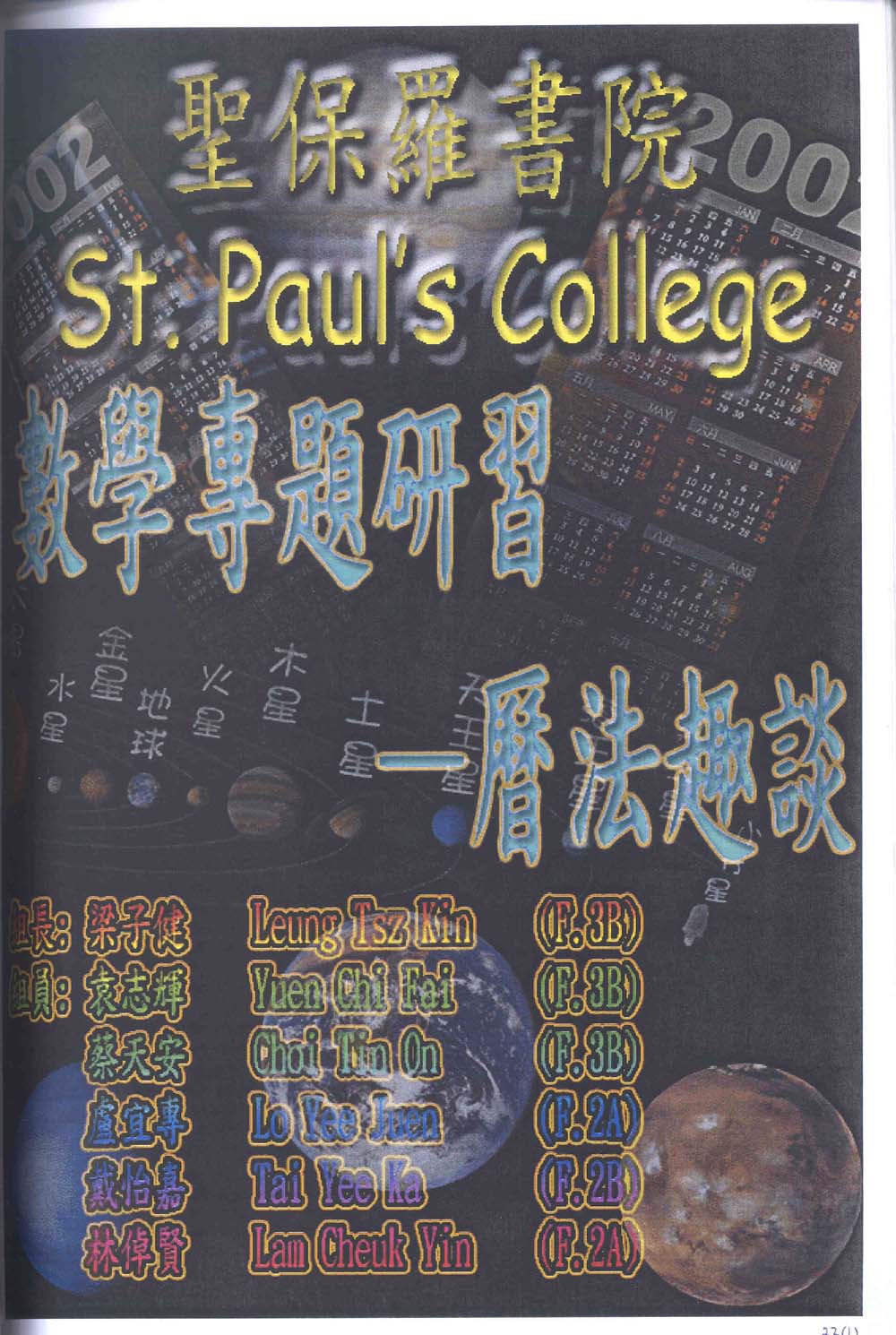
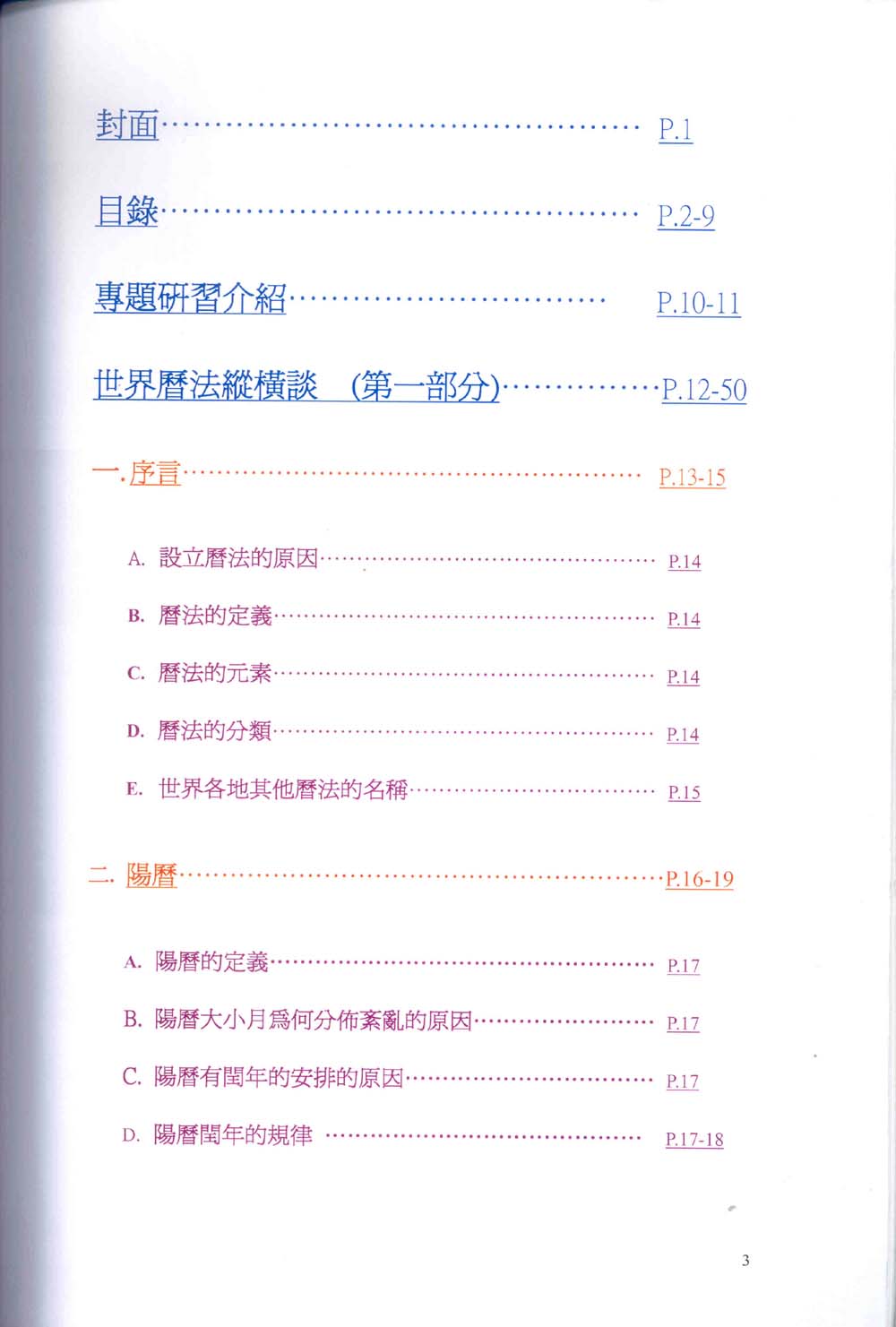
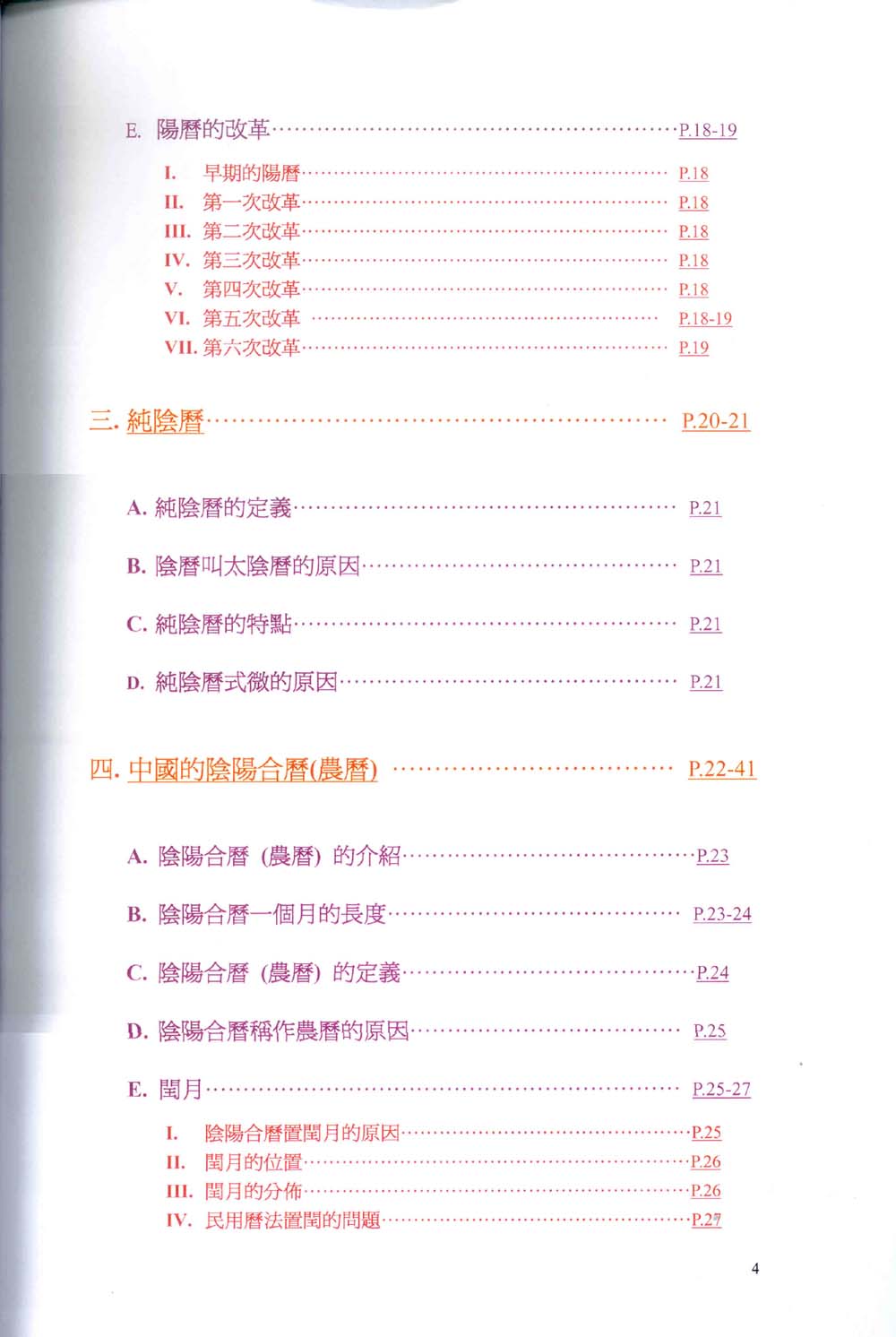
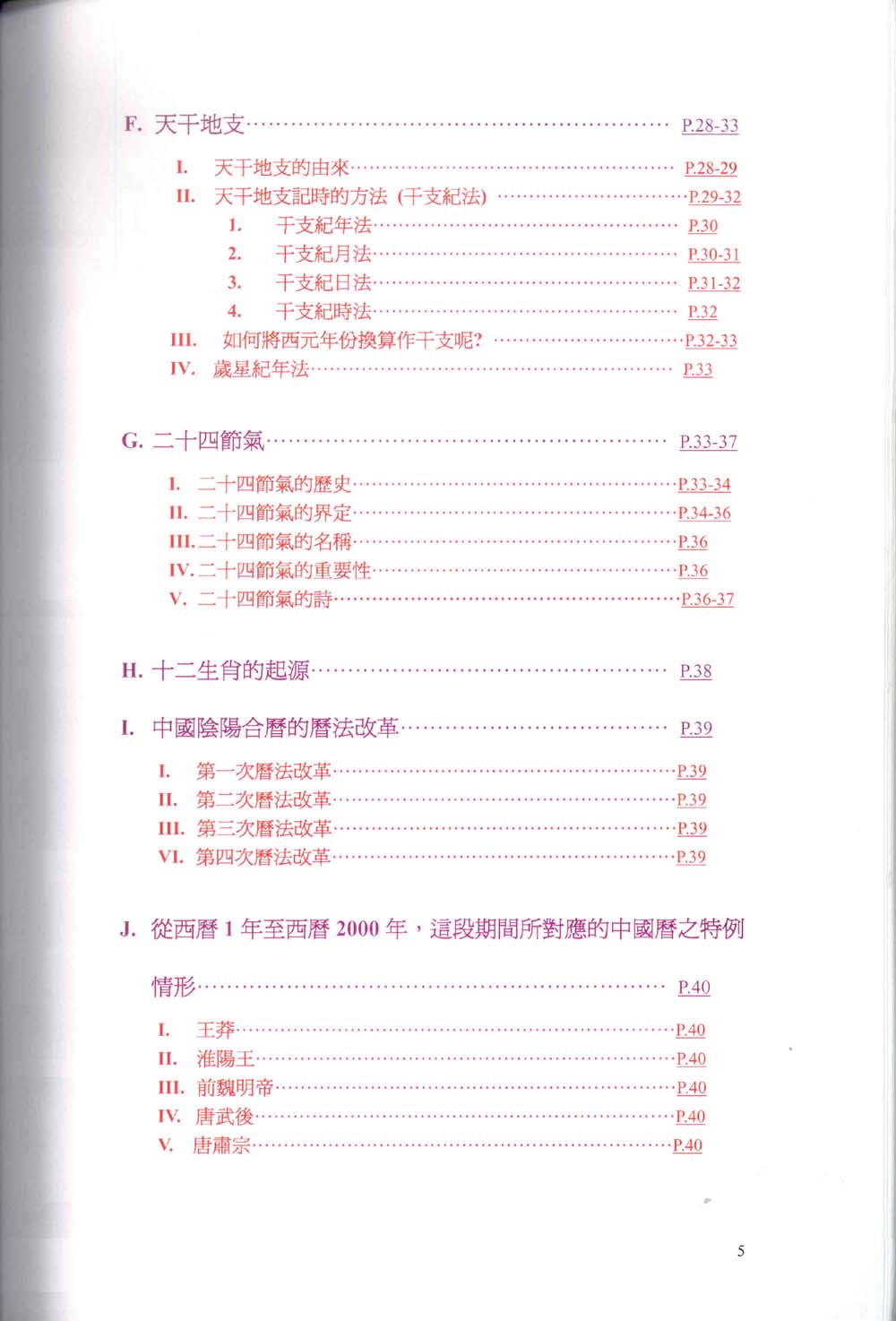
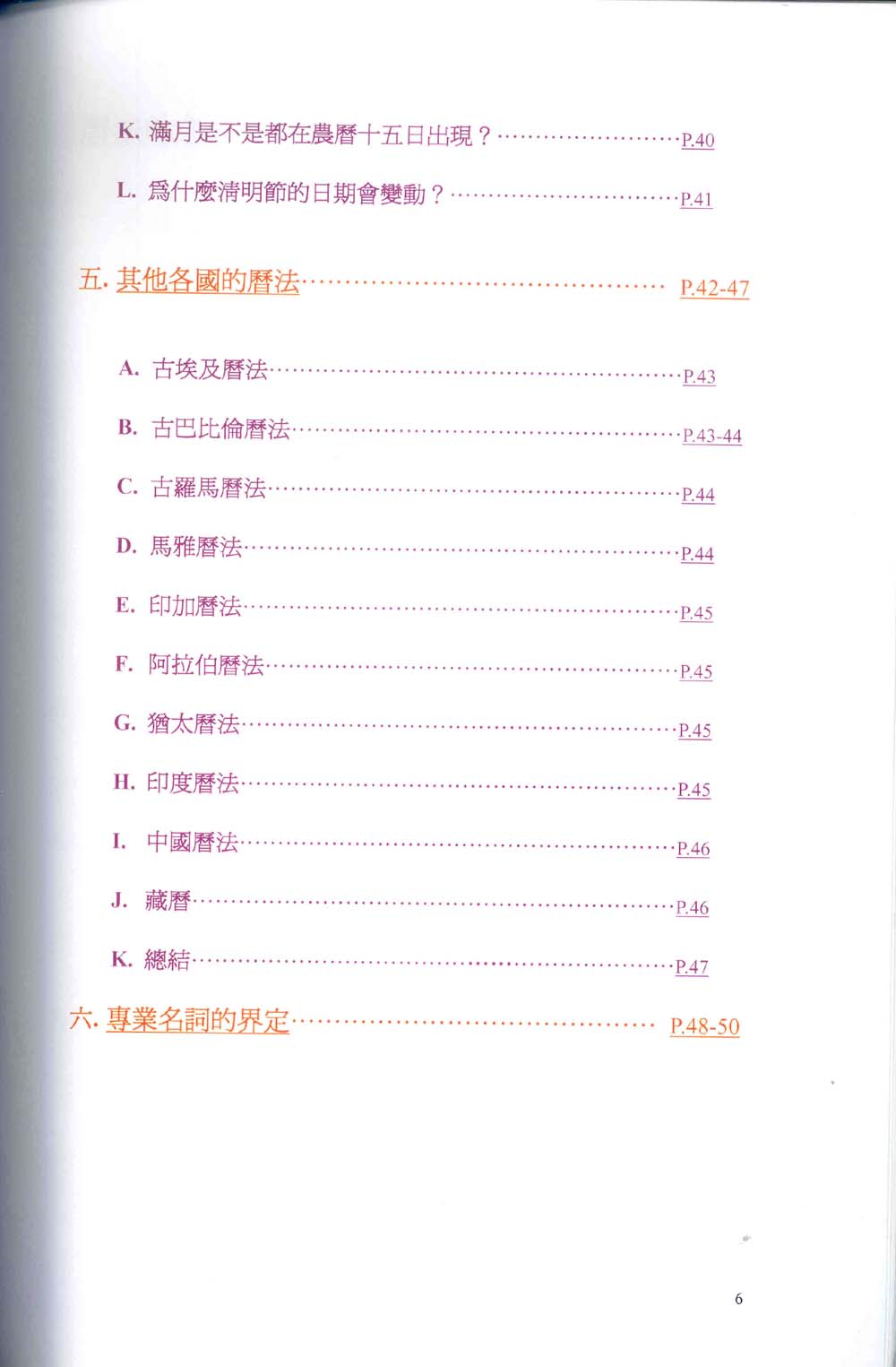
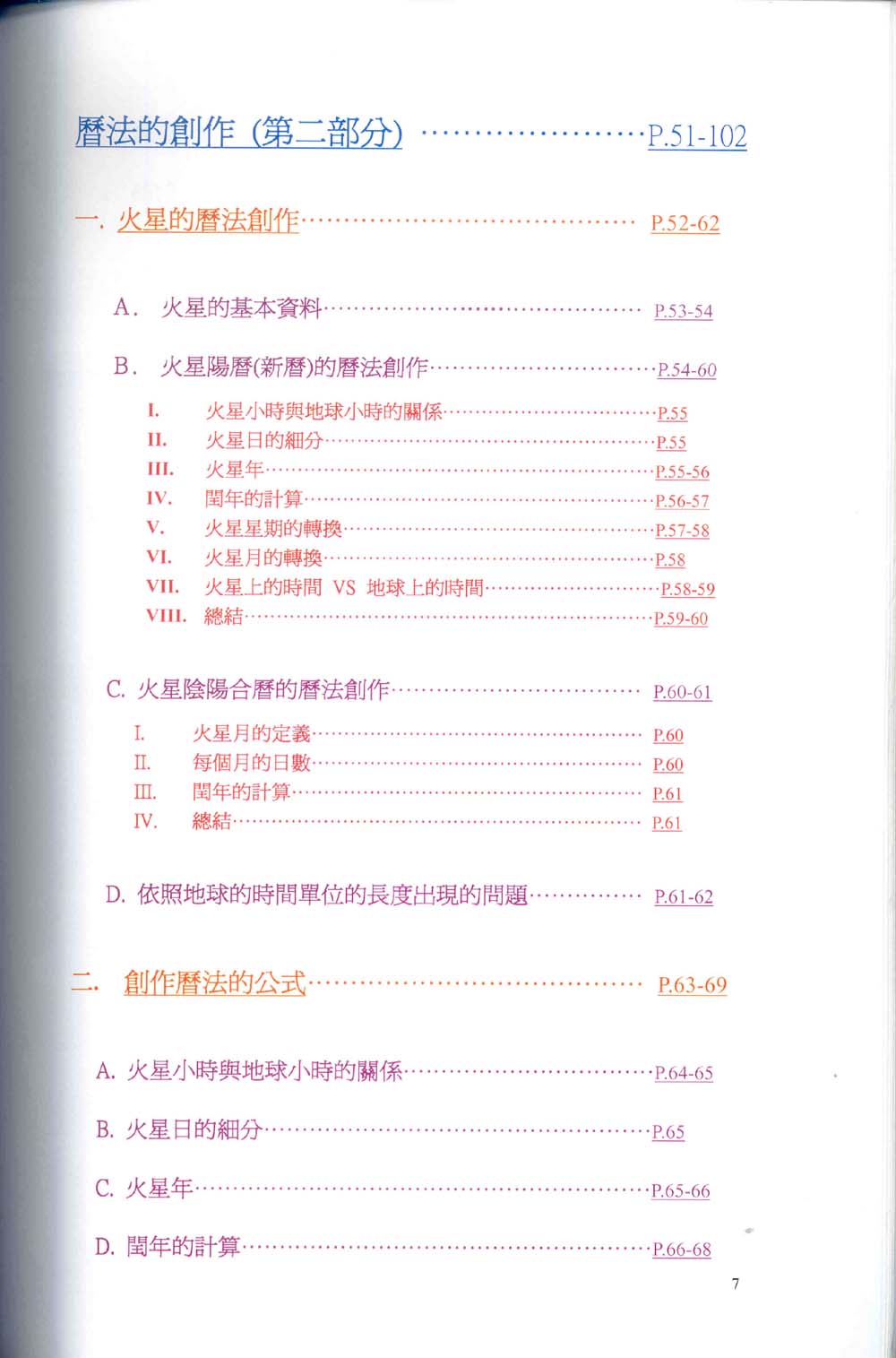
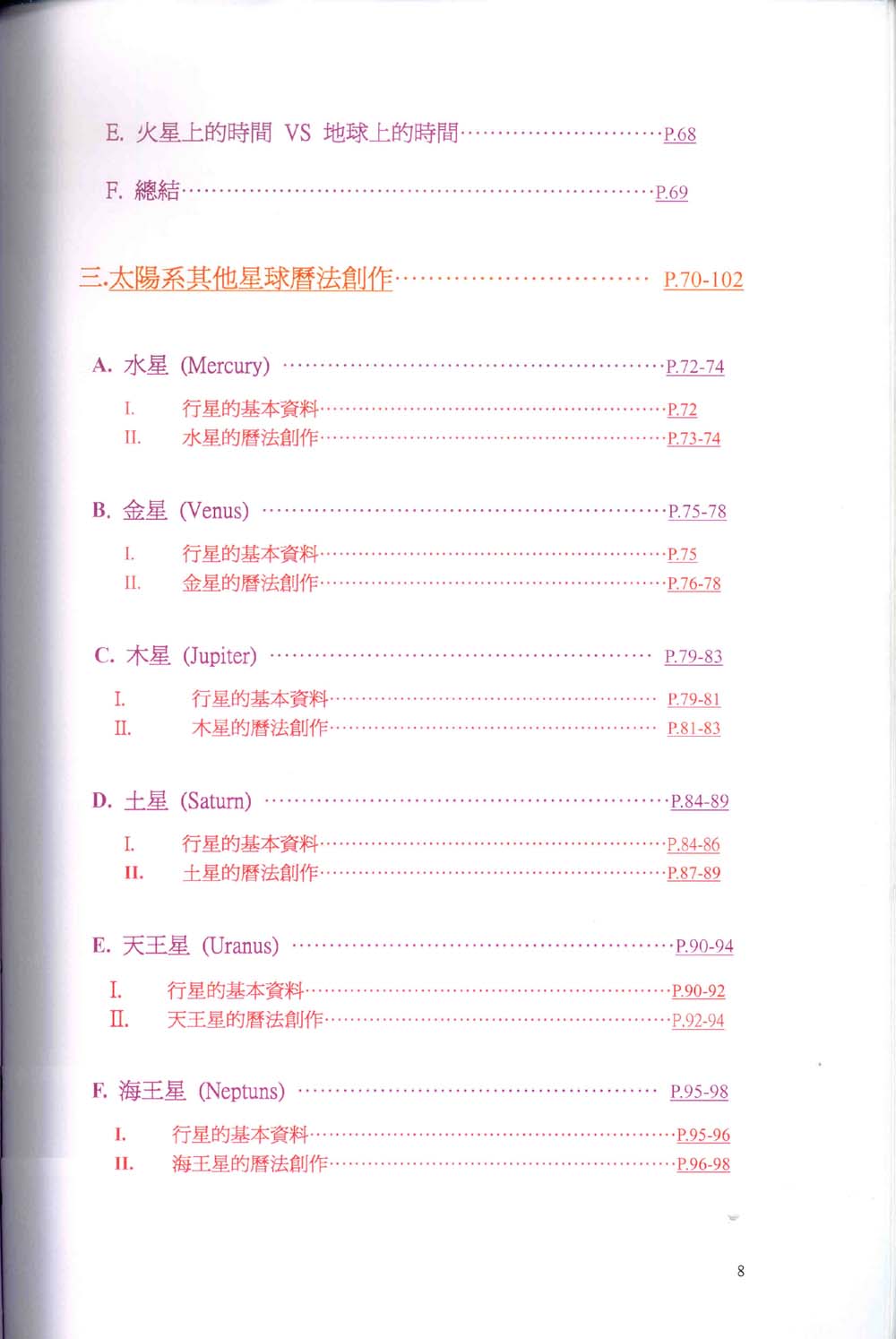
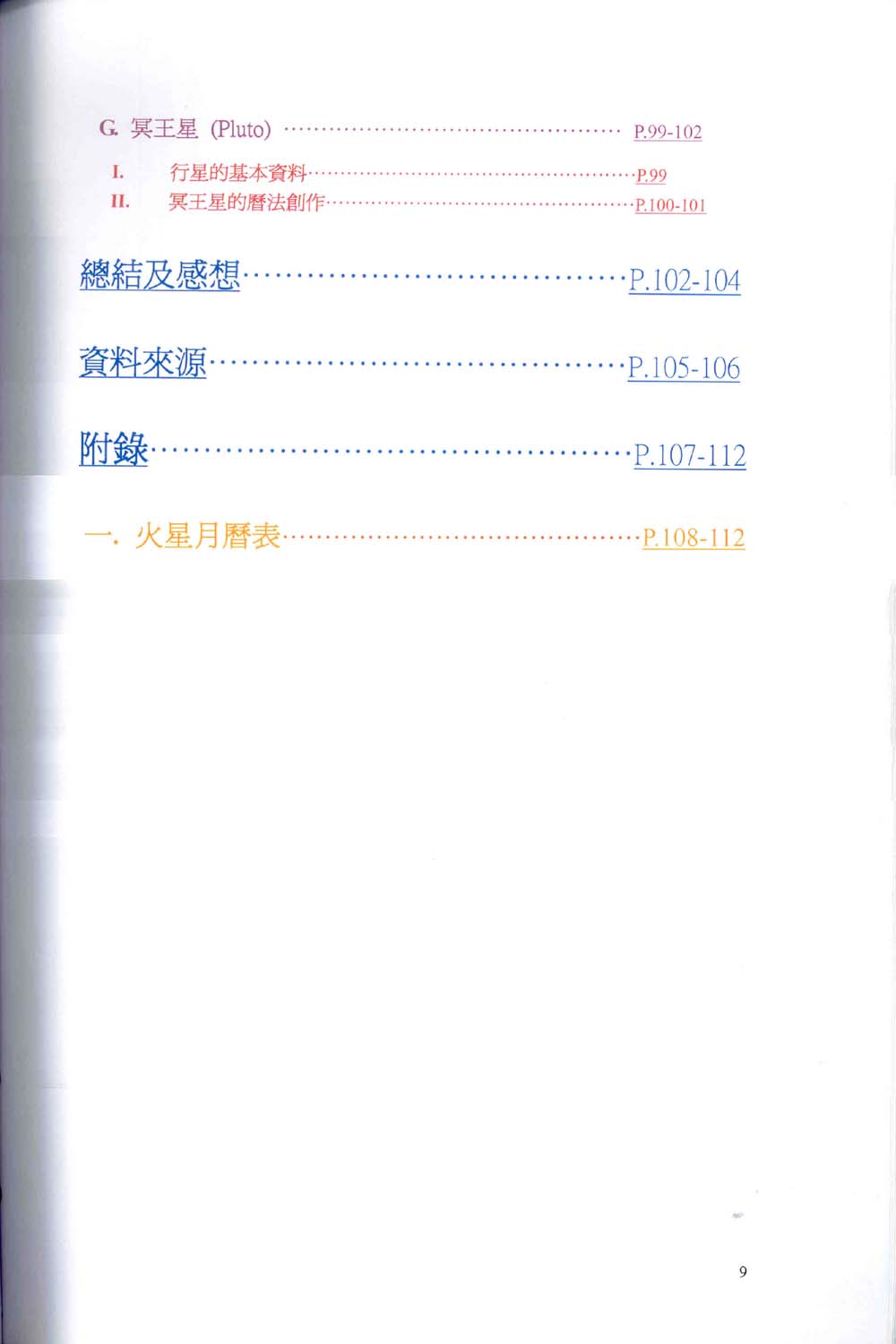
| Introduction to the project (Provided by the school): Summary of the project 《Calendars》 Topic: 《Calendars》 Participating school: St. Paul’s college Participating students: Leung Tsz Kin (F.3B) Yuen chi Fai (F.3B) Choi Tin On (F.3B) Lo Yee Juen (F.2A) Lam Cheuk Yin (F.2A) Tai Yee Ka (F.2B) Content The Project 《Calendars》can be divided into two parts. (1) 《Calendars of the world》 In this part, we outlined the origins and the elements of calendars. Then we introduced nine types of calendars in different parts of the world including ancient Egypt, ancient Roma, India and China. We successfully found out the characteristics of those calendars and the relationship between mathematics and astronomy. (2) 《New Calendars》 This part is the extension of the first part. Based on the characteristics and the time of rotation and revolution of the eight planets in the solar system, namely, Mars, Mercury, Venus, Jupiter, Saturn, Uranus, Uranus, Neptune and Pluto, we put forward a set of formulae for new calendars.
|